Nutrition for Active Afternoons
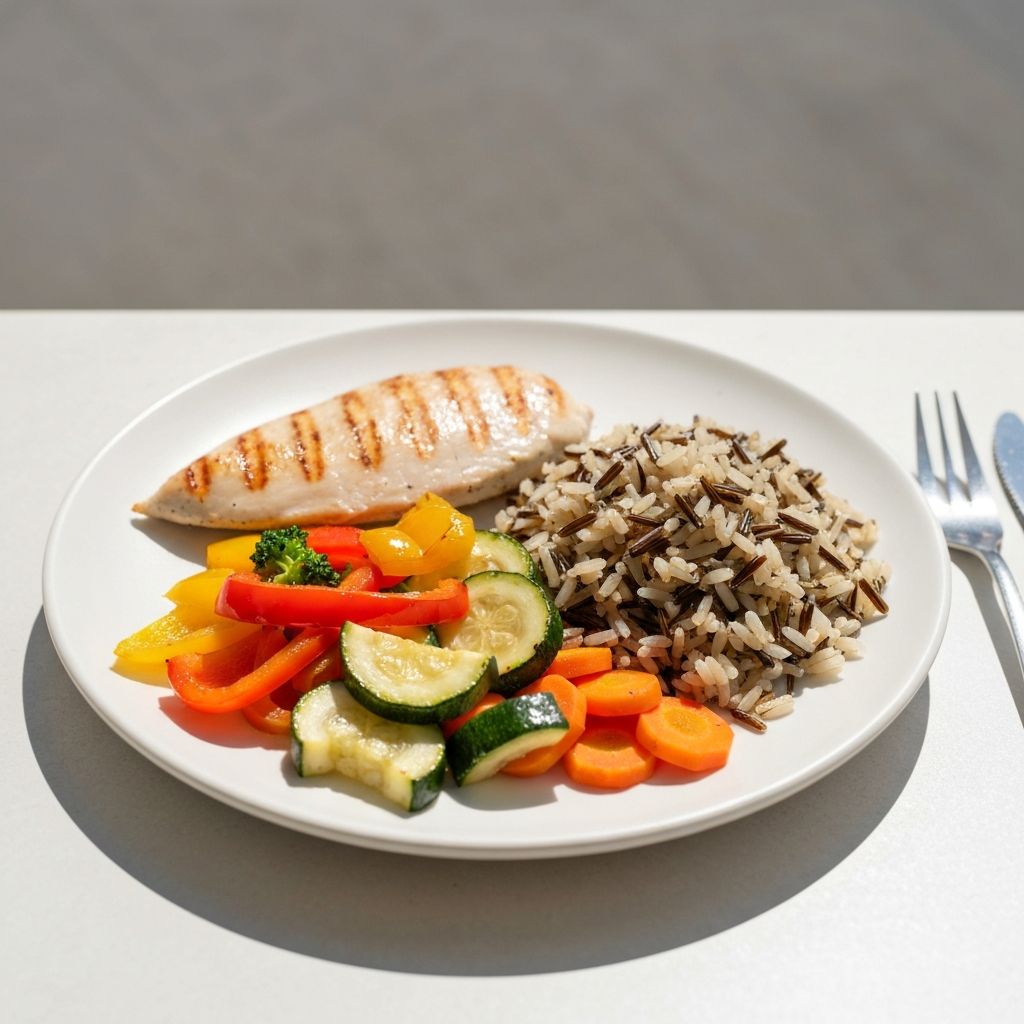
This article provides educational information on nutrition considerations for active afternoons.
Understanding Afternoon Nutrition
The afternoon period is often a time of sustained activity for many individuals. This section explores general concepts related to nutrition during this part of the day, without providing personalised recommendations.
Lunch is commonly consumed during the afternoon, though the timing and composition of this meal vary widely among individuals and cultures. Some people prefer larger midday meals, while others opt for lighter options.
Components of Afternoon Meals
Afternoon meals often include a balance of macronutrients. Carbohydrates from sources such as whole grains, vegetables, or legumes are frequently included. Proteins from various sources, including animal and plant-based options, are also common components.
Healthy fats and a variety of vegetables are additional elements that many individuals incorporate into their afternoon meals. The specific combination depends on personal preferences, cultural background, and individual circumstances.
Examples of Afternoon Food Choices
Examples of afternoon meals might include salads with protein sources, grain bowls with vegetables, sandwiches on whole grain bread, or soups with legumes and vegetables. These examples are illustrative and not prescriptive.
It is important to recognise that nutritional needs and preferences are highly individual. What is appropriate for one person may not suit another, and this content does not constitute advice.
Energy and Activity Levels
Many people experience varying energy levels throughout the afternoon. Factors influencing energy include sleep quality, morning nutrition, hydration, physical activity, and individual physiology.
Some individuals find that balanced meals help maintain steady energy levels, while others may experience energy fluctuations regardless of food intake. Individual experiences differ considerably.
Afternoon Snacks
Some individuals choose to have snacks during the afternoon. Common snack options include fruits, nuts, vegetables with dips, or yoghurt. Snacking patterns are highly personal and vary based on individual routines and preferences.
There is no universal guidance on whether afternoon snacks are necessary or beneficial, as this depends on numerous individual factors.
Hydration Throughout the Afternoon
Maintaining hydration during the afternoon is an important aspect of overall health. Water is the most common beverage for hydration, though other non-caffeinated drinks can also contribute to fluid intake.
Individual hydration needs vary based on activity level, climate, and other factors. This content provides general information only.
Limitations and Context
This article provides educational information only and does not constitute personalised nutrition advice. Individual circumstances, preferences, and health considerations vary widely.
Any decisions regarding your afternoon nutrition should be made based on your unique situation, ideally in consultation with appropriate professionals. This content is not a substitute for personalised guidance.