Nutrition for Active Evenings
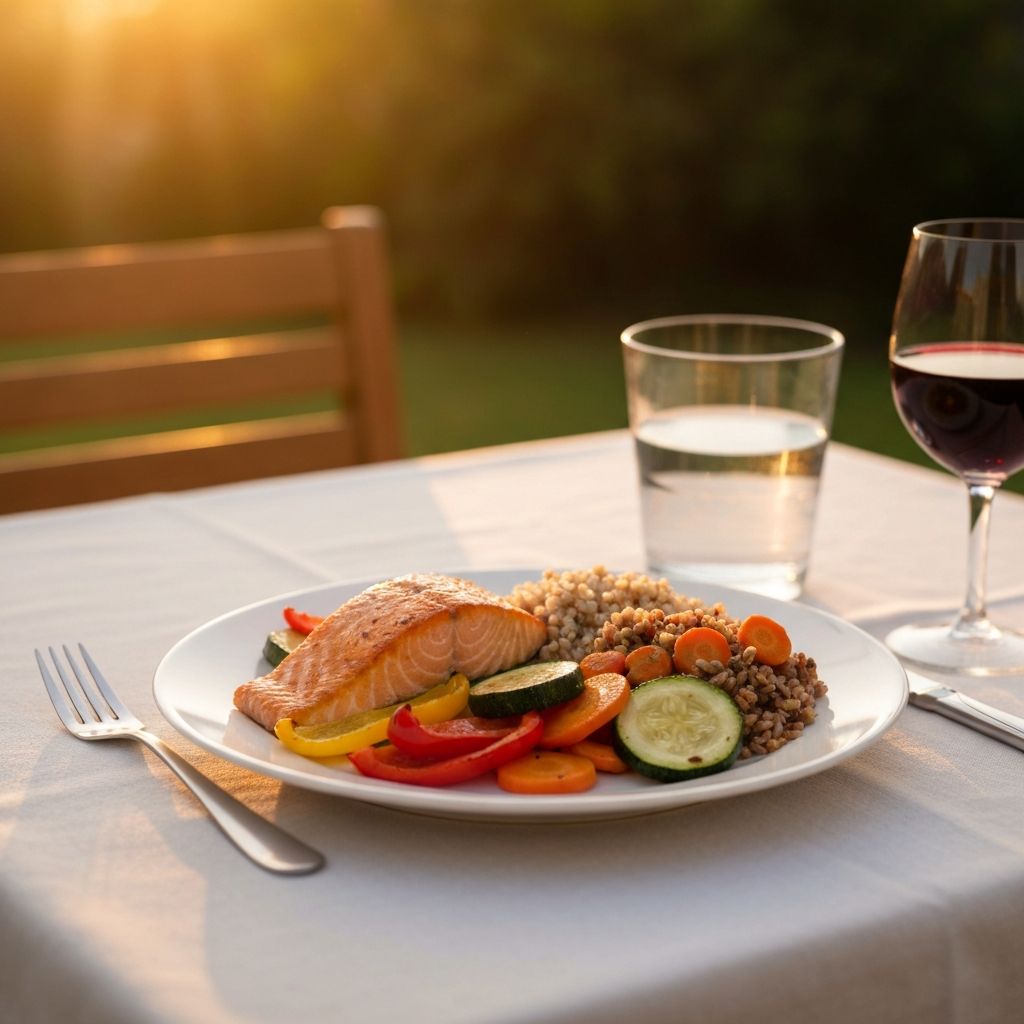
This article offers educational content on nutrition for active evenings and how evening meals can fit into daily routines.
Understanding Evening Nutrition
Evenings are a time when many individuals conclude their daily activities and often share meals with family or friends. This section explores general concepts related to evening nutrition without offering personalised advice.
Dinner is typically consumed in the evening, though the timing, size, and composition of this meal vary significantly across cultures and individual preferences. Some cultures favour larger evening meals, while others prefer lighter options.
Components of Evening Meals
Evening meals often include a variety of food groups. Proteins from sources such as fish, poultry, legumes, tofu, or other plant-based alternatives are commonly included. Vegetables in various forms are also frequent components.
Carbohydrates from whole grains, potatoes, or other sources may be part of evening meals for some individuals. Healthy fats from sources like olive oil, nuts, or avocados are additional elements that may be incorporated.
Examples of Evening Food Choices
Examples of evening meals might include grilled fish with roasted vegetables, stir-fried tofu with mixed vegetables and rice, lentil soup with whole grain bread, or pasta with vegetable sauce. These examples are illustrative and not prescriptive.
Individual preferences, cultural traditions, and personal circumstances greatly influence evening meal choices. This content is informational only and does not constitute advice.
Meal Timing in the Evening
The timing of evening meals varies widely among individuals. Some people eat dinner relatively early, while others dine later in the evening. Work schedules, family routines, and personal preferences all influence meal timing.
There is ongoing discussion in nutritional science about the potential effects of meal timing, particularly evening meals. However, no single approach has been identified as universally optimal.
Evening Snacks
Some individuals choose to have snacks in the evening after dinner. Common options include fruits, small portions of nuts, or other light foods. Evening snacking habits are highly personal and vary considerably.
Individual preferences and routines determine whether evening snacks are part of one's eating pattern. There is no universal guidance applicable to all individuals.
Hydration in the Evening
Maintaining adequate hydration in the evening is part of overall daily fluid intake. Water and herbal teas are common beverage choices during this time.
Individual hydration needs vary, and preferences for evening beverages differ widely among people.
Sleep and Evening Nutrition
Some individuals are interested in the relationship between evening food intake and sleep quality. This is an area of ongoing research, and individual experiences vary considerably.
Factors affecting sleep quality are numerous and complex, extending well beyond evening nutrition alone.
Limitations and Context
This article provides educational information only and does not constitute personalised nutrition advice. Individual circumstances, preferences, and health considerations vary widely.
Any decisions regarding your evening nutrition should be made based on your unique situation, ideally in consultation with appropriate professionals. This content is not a substitute for personalised guidance.